A shared season is not a shared celebration
Seasonal light is an important part of Nordic life, but the region stretches across a large range of latitudes. Conditions in southern Denmark are not those of northern Norway, and coastal weather differs from inland weather. Even within one town, work, school, religion and family history may shape the calendar more directly than daylight. Begin with the local event rather than a sweeping story about “people of the north.”
Norway’s Constitution Day on 17 May is a useful example of a celebration with a specific civic history. Children’s parades, flags and festive clothes are visible in many communities. Bunad, often associated with regional dress traditions, may be worn, but not everyone owns or chooses one. The occasion should not be described as a generic Nordic spring festival or as proof that everyone celebrates in exactly the same way.
Other spring occasions cross borders while changing meaning. Walpurgis celebrations, known as Valborg in Sweden and vappu in Finland, can involve different combinations of student life, public gatherings and seasonal customs. Dates alone do not explain an event. A university city’s programme, a family outing and a local association’s gathering may offer quite different experiences.
Midsummer has several local forms
Swedish Midsummer is often associated with a decorated pole, outdoor meals and dancing. Finnish juhannus may involve a cottage visit, sauna or bonfire where permitted. Danish sankthans is associated with gatherings around bonfires on the evening of 23 June. These examples are related through the season, but their timing, names and practices are not interchangeable. Current fire restrictions can also change what is possible.
Do not promise yourself an identical public spectacle everywhere. Some celebrations are mainly private; others are organised for a neighbourhood or welcome visitors. Check the organiser’s information, transport arrangements and whether food or booking is included. Long daylight does not eliminate cold evenings, rain or the need to get home safely. A considerate guest prepares for the actual setting rather than an idealised photograph.
Food follows landscapes, labour and exchange
Preserving by drying, salting, smoking, pickling or fermenting appears in many food histories, including Nordic ones. Those techniques helped people manage availability and storage, but contemporary meals are not museum displays of survival. Supermarkets, migration, trade and changing tastes shape ordinary cooking. A household may eat traditional festive dishes on one occasion and a quick international weekday meal on the next.
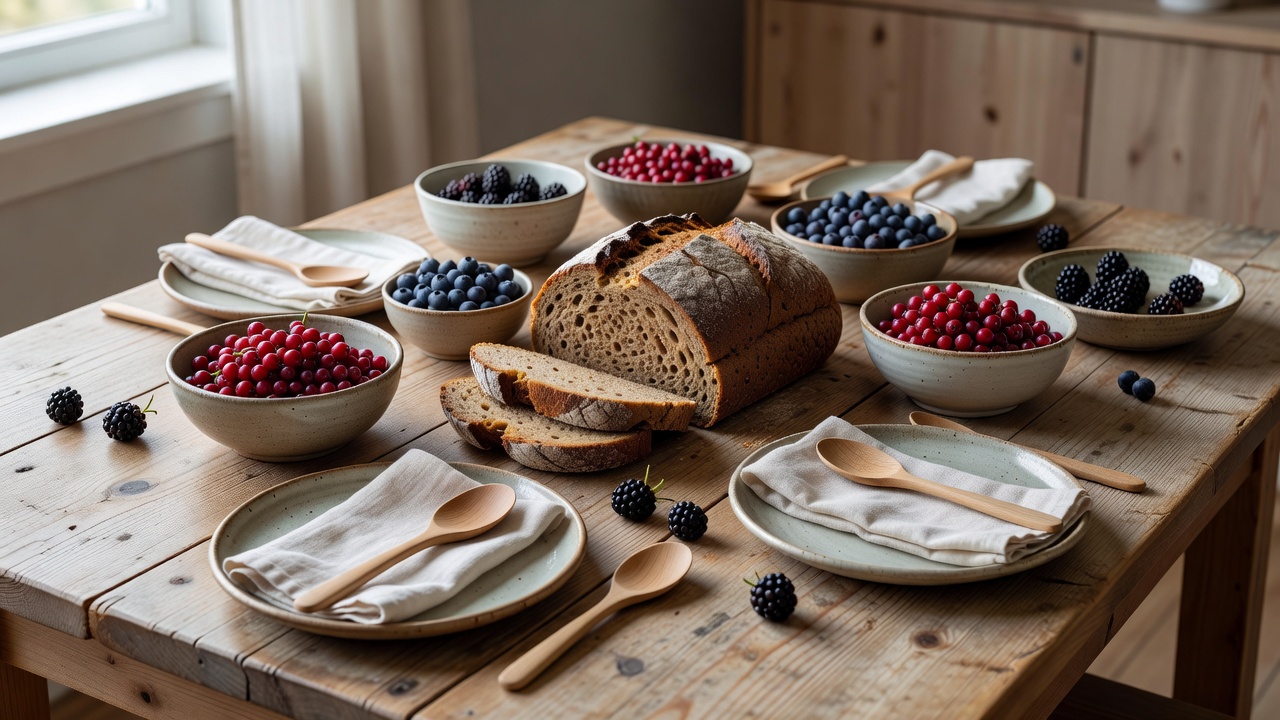
Danish smørrebrød, Finnish karjalanpiirakka, Norwegian stockfish traditions and Icelandic skyr belong to different contexts. They should not be bundled into a single standard menu. Rye bread and crispbread also vary in texture, ingredients and role. Ask what a food means locally, how it is served and whether the version you are trying is everyday, festive or designed primarily for visitors.
Autumn can bring berries, mushrooms and preserving into the conversation. Foraging is not automatically safe because it looks traditional. Do not eat mushrooms or plants without reliable identification, and check access rules and protected-species restrictions. Buying from a reputable producer or joining a qualified local guide may be a better introduction than trying to reproduce a scene from social media.
Light, religion and the household calendar
Lucia on 13 December is associated especially with processions and singing in Sweden, with traditions also present in Finland and elsewhere. It is not celebrated uniformly across every Nordic community. Christmas gatherings likewise differ between countries, regions and households. A Swedish julbord, a Norwegian festive meal and an Icelandic family celebration may share some ingredients while carrying different expectations and stories.
Not everyone celebrates Christian holidays, and those who do may understand them religiously, culturally or both. Jewish, Muslim, secular and other communities are part of the region’s seasonal life. Winter also includes ordinary routines: commuting in darkness, keeping entrances safe and finding time to meet friends. Candles and warm drinks are only part of that practical picture.
Take part without taking over
When invited to a seasonal meal, ask what to bring and explain allergies or dietary requirements early. Do not assume festive foods are safe for everyone, or that alcohol is essential to belonging. Let hosts explain unfamiliar dishes without turning the meal into a test of authenticity. People adapt recipes, buy prepared food and change plans; those choices do not make their lives less culturally meaningful.
At public celebrations, respect barriers, private property and requests about photography. If you want a close portrait of traditional clothing, ask the wearer. A costume or craft object can have personal and community significance beyond its visual appeal. The best souvenir may be a more specific understanding of where you are, rather than a claim that you have experienced the whole region.
Plan with local information
- Sweden.se: celebrations — introductions to Swedish occasions.
- Visit Finland — regional travel and seasonal context.
- VisitDenmark — local destinations and event information.
- Visit Iceland — places, culture and visitor guidance.